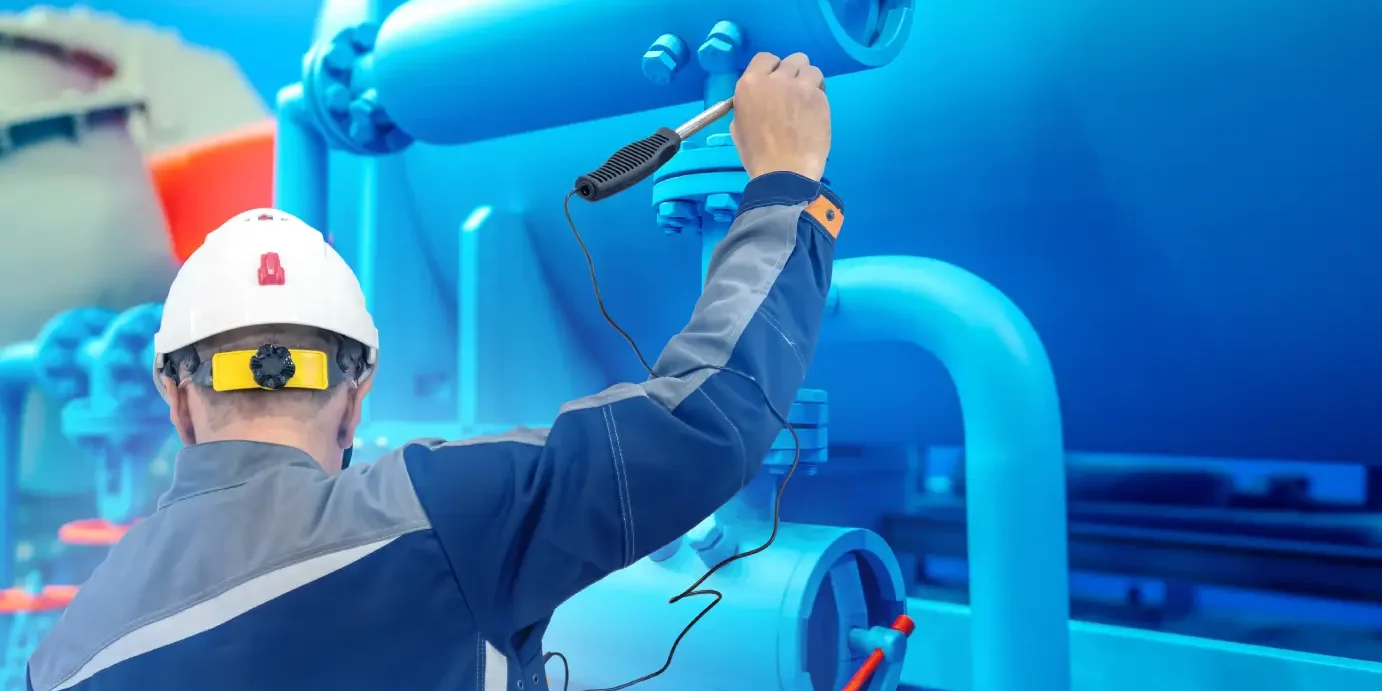
Burner performance directly affects fuel costs, emissions, and equipment reliability. Regular burner tune-up services keep combustion running at peak efficiency, and the measurement behind that process reveals problems no amount of visual inspection would catch on its own. This guide explains how combustion analysis works and why it matters for your facility’s bottom line.
What Happens During Burner Tune-Up Services
Burner tune-up services involve adjusting the fuel and air mixture for optimal combustion. Technicians measure exhaust gases using calibrated combustion analysis equipment to identify inefficiencies that are invisible to the naked eye, since a flame can look perfectly normal while still burning well off its optimal ratio.
A complete tune-up typically covers:
- Fuel-to-air ratio adjustment, based on live combustion readings rather than a fixed setting.
- Inspection of ignition components, safety controls, and burner nozzles, catching worn parts before they cause a failure.
- A final performance verification, confirming the adjustments hold steady under normal operating conditions rather than drifting once the technician leaves.
That last step matters more than it might seem. An adjustment that looks correct in the moment but doesn’t hold under sustained operation hasn’t actually solved anything.
⚡ The Risk Hiding in Plain Sight
Tune-ups rely on precise measurement, not visual inspection alone. Component inspection during a tune-up catches issues before failure.
How Combustion Analysis Identifies Hidden Inefficiency
Combustion analysis measures three core readings during operation:
- Oxygen levels indicate whether combustion is running efficiently or with too much excess air.
- Carbon monoxide readings reveal incomplete combustion, a sign the fuel-air mixture is off.
- Stack temperature shows how much heat is escaping through the exhaust rather than being used.
Even small imbalances in these readings can waste significant fuel over a full heating season, and the effect compounds the longer it goes uncorrected. Beyond efficiency, this data also supports emissions compliance reporting required under some environmental permits, so facilities operating under those permits get a direct compliance benefit from the same readings taken during a routine tune-up.
Trend data collected across multiple visits adds a further layer of value: reviewing readings over time reveals gradual drift in combustion performance well before it becomes a major issue, which is a detail that matters more than a single snapshot reading would suggest on its own.
⚡ What Smart Facilities Do Differently
Combustion readings reveal problems invisible during a basic inspection. Documented analysis supports emissions compliance reporting.
Burner Management Systems and Modern Controls
Modern burner management systems automate much of the combustion adjustment process. Platforms like Autoflame continuously optimize fuel and air ratios based on real-time conditions, reducing the manual tuning required and maintaining efficiency between scheduled visits rather than letting performance drift until the next appointment.
Upgrading older burner controls to a modern system often delivers a fast return on investment, and facilities frequently recover the upgrade cost through reduced fuel consumption within a few years. These systems also improve safety by responding automatically to abnormal operating conditions, which is a meaningful benefit for any facility running boilers continuously rather than on an intermittent schedule.
⚡ The Takeaway That Saves You Money
Modern burner controls maintain efficiency automatically between service visits. Control upgrades often pay for themselves through fuel savings.
Signs Your Burner Needs a Tune-Up Now
A few signals are worth acting on immediately rather than waiting for the next scheduled visit:
- Rising fuel bills without a corresponding change in usage. This is often the first sign of gradual combustion inefficiency.
- Visible flame instability or unusual color. A healthy flame should look consistent; flickering or off-color flames point to a combustion problem.
- Unusual odors near the burner. Odors can indicate incomplete combustion or another mechanical issue.
- Soot buildup on nearby surfaces. Visible soot is a sign combustion isn’t fully consuming the fuel.
Waiting too long between tune-ups allows small inefficiencies to compound quietly, which is exactly why fuel bills often spike well before anyone notices a problem developing.
⚡ Don’t Learn This the Hard Way
Rising fuel bills without usage changes often signal burner issues. Flame instability or unusual color both warrant a prompt tune-up.
How Often Facilities Should Schedule Burner Tune-Ups
Most commercial facilities benefit from annual burner tune-up services paired with regular maintenance visits. High-demand industrial operations often need combustion analysis more frequently, sometimes quarterly, given their higher running hours and the greater cumulative cost of even small inefficiencies.
A few situations call for scheduling an additional tune-up outside the standard annual cycle:
- Transitioning to a new fuel source, since combustion characteristics shift with fuel type.
- Completing a major renovation or equipment change, which can alter operating conditions.
- Seasonal equipment, best tuned right before its peak demand period begins each year rather than during the off-season.
⚡ The Move That Pays Off
Annual tune-ups are appropriate for most standard commercial facilities. Operational changes should trigger an additional combustion check.
Choosing a Provider for Burner Tune-Up Services
Effective burner tune-up services depend on two things a provider either has or doesn’t: calibrated equipment and trained technicians. Before scheduling this kind of specialized service, it’s worth confirming a provider on both counts:
- Do they use calibrated combustion analysis equipment, not just visual inspection?
- Are technicians specifically trained in combustion analysis, not only general boiler service?
- Do they document readings in a way that supports both efficiency tracking and compliance needs?
Patriot Boiler’s ASME-certified team brings both calibrated equipment and dedicated training to every appointment. The right provider treats a tune-up as more than a quick adjustment, it’s an early opportunity to catch other issues, and that mindset pays off well beyond the immediate task at hand.
⚡ The Real Takeaway
Calibrated equipment and trained technicians both matter for accurate results. A thorough tune-up doubles as an early warning system for other issues.
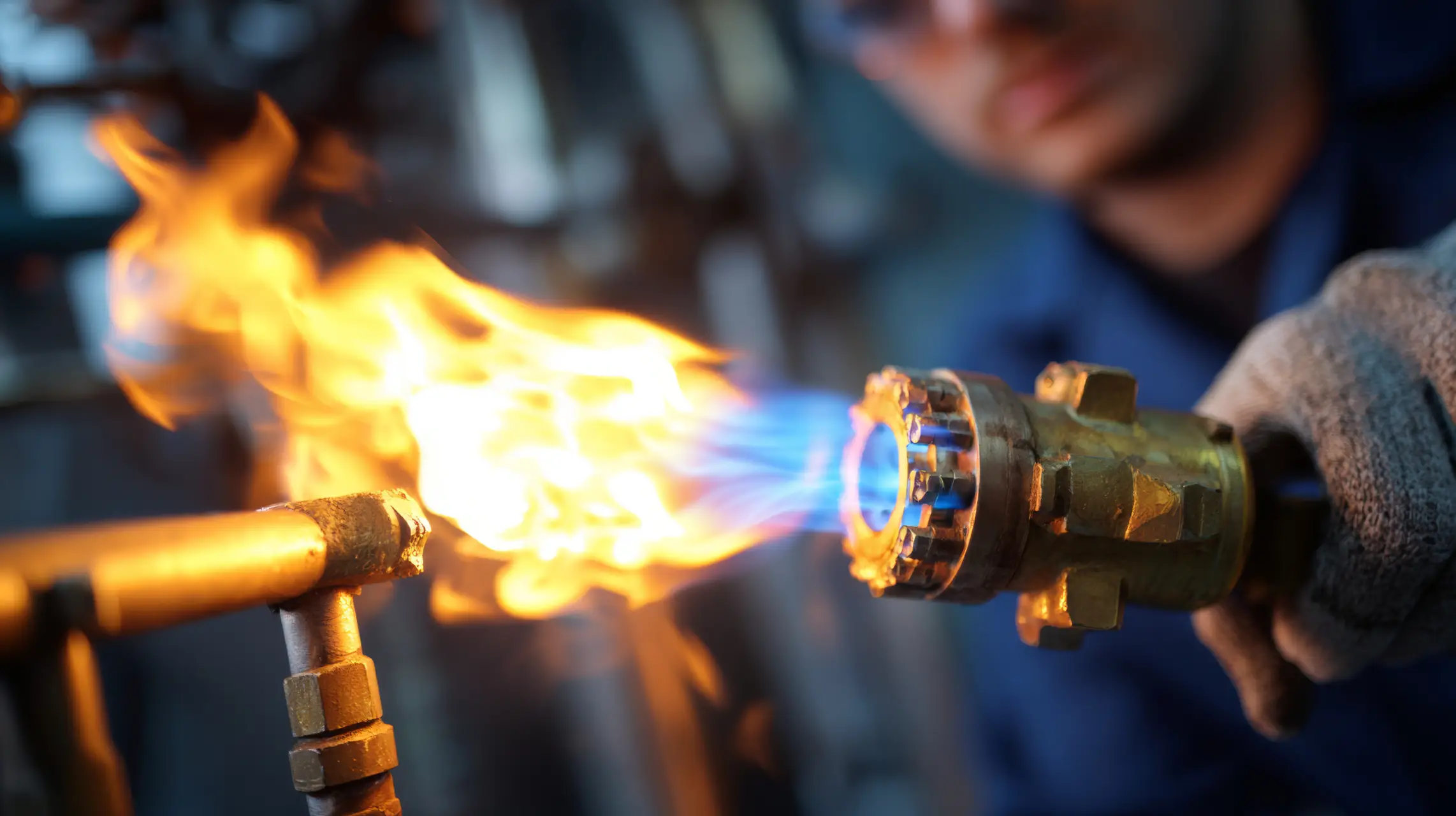
How Fuel Type Affects Burner Tune-Up Services
Different fuel sources require different tuning approaches, and it’s worth confirming a provider has specific experience with your facility’s fuel type before scheduling service:
- Natural gas burners tune differently than propane burners, since the two fuels have different combustion characteristics.
- Propane systems require adjustments specific to propane’s different air-fuel ratio requirements.
- Dual-fuel systems add real complexity, requiring tuning verification across both fuel sources rather than just one.
Getting fuel-specific tuning right directly affects both efficiency and emissions performance, which is why this is a detail worth revisiting periodically as fuel sources or operating conditions change, not something to confirm once and forget.
⚡ Small Sign, Big Problem
Different fuel types require slightly different tuning approaches. Dual-fuel systems need verification across both fuel sources.
Combustion Analysis Data and Long-Term Trend Tracking
A single combustion analysis reading offers a snapshot, but trends across multiple visits tell a fuller story. Patriot Boiler tracks readings over time to reveal gradual efficiency drift, which often catches a developing problem well before it shows up as a fuel bill spike.
Reviewing this trend data annually, alongside broader maintenance planning, does two things: it confirms whether previous tune-ups and repairs are holding their expected performance, and it turns routine combustion analysis into a genuinely predictive maintenance tool rather than a one-off service.
⚡ Here’s Why It Matters
Trend data across visits reveals problems before fuel bills spike. Reviewing trends annually strengthens broader maintenance planning.
Burner Tune-Up Timing Strategy
Timing a tune-up correctly maximizes its benefit. Scheduling just before peak heating demand ensures the system starts that period running at its best, rather than entering the highest-demand season on whatever performance it happened to drift to since the last visit.
Facilities running boilers year-round should still schedule at least one dedicated tune-up annually, timed around their lowest-demand period so the service doesn’t compete with peak operational needs. Coordinating that timing with other seasonal maintenance tasks also simplifies scheduling for facility staff, since it consolidates planning into fewer separate conversations.
⚡ The Smart Play Here
Timing tune-ups before peak demand maximizes their benefit. Coordinating timing with other seasonal tasks simplifies scheduling.
What Happens When Combustion Analysis Reveals a Bigger Issue
Occasionally, combustion analysis uncovers a problem beyond a simple adjustment, a failing component, for example, rather than a routine fuel-air correction. When that happens, Patriot Boiler’s technicians explain the finding clearly, along with recommended next steps and urgency level, so facility managers get straightforward guidance rather than a vague warning.
In these cases, the tune-up becomes the start of a broader repair conversation rather than the end of the visit. Catching a bigger issue during a routine, scheduled tune-up is far preferable to discovering it during an unplanned failure, and it’s one of the quieter but more valuable benefits of staying consistent with combustion analysis over time.
⚡ Worth Remembering
Combustion analysis sometimes uncovers issues beyond a simple adjustment. Catching bigger issues during a scheduled visit beats an unplanned failure.
Frequently Asked Questions
Rising fuel bills with no change in usage are often the first sign of gradual combustion inefficiency, sometimes well before anything looks visibly wrong. Visible flame instability, an unusual flame color, odors near the burner, or soot buildup on nearby surfaces are more direct signals that combustion isn’t happening the way it should. Any of these is worth acting on immediately rather than waiting for the next scheduled visit, since the underlying inefficiency tends to compound the longer it goes unaddressed.
A tune-up is a scheduled, hands-on adjustment and inspection performed by a technician at a specific point in time, correcting drift that’s accumulated since the last visit. A burner management system, like an Autoflame control platform, automates much of that adjustment continuously in real time, maintaining efficiency between scheduled visits rather than letting performance drift until the next appointment. The two work together rather than replacing each other: even automated systems benefit from periodic professional tune-ups and calibration checks.
Scheduling just before peak heating demand ensures the system enters its busiest period already running at its best, rather than starting the season on whatever performance it happened to drift to since the last visit. Facilities running boilers year-round should still schedule at least one dedicated tune-up annually, timed around their lowest-demand period so the service doesn’t compete with peak operational needs. Coordinating that timing with other seasonal maintenance tasks also simplifies scheduling by consolidating planning into fewer separate conversations.
Yes. Correcting combustion inefficiencies, an incorrect fuel-air ratio or excess heat loss through the stack, can produce measurable fuel savings over a full heating season, since fuel is one of the largest ongoing costs for any boiler system. Even a small efficiency improvement compounds meaningfully at scale, which is why trend data from repeated tune-ups is often used to build the financial case for continued combustion analysis.
Yes. The same oxygen, carbon monoxide, and stack temperature readings used to tune a burner for efficiency are also the data many environmental permits require documented for emissions performance. Facilities operating under such permits get a direct compliance benefit from readings taken during a routine tune-up, rather than needing a separate testing process. It’s still worth confirming the specific documentation format required with the permitting authority, since requirements vary.
Patriot Boiler
Arizona's Commercial Boiler Experts
Burner performance shapes efficiency, emissions, and reliability across the life of a boiler system. Patriot Boiler’s ASME-certified technicians use calibrated combustion analysis to keep Arizona facilities running efficiently.