Comfort, efficiency, and reliability matter when heating homes and buildings. Hydronic boiler systems have proven effective over time. They deliver consistent warmth and operate quietly, making them a common choice in both residential and commercial properties.
In this article, we’ll explain what hydronic boiler systems are, how they operate, their key components, and why many homeowners choose them for efficient and comfortable heating.
What Is a Hydronic Boiler System?
A hydronic boiler system is a heating system that uses hot water to distribute heat throughout a building. Instead of blowing warm air through ducts, hydronic systems circulate heated water through pipes to radiators, baseboard heaters, or radiant floor systems.
The heat from the water warms the surrounding area, creating a comfortable, even indoor temperature. Once the water releases its heat, it returns to the boiler for reheating and recirculation.
This closed-loop process is what makes hydronic heating efficient and reliable.
Why Hydronic Heating Is So Popular
Hydronic boiler systems have heated homes for decades, and their popularity keeps growing. They deliver high-quality, consistent heat.
Unlike forced-air systems that can create drafts or uneven temperatures, hydronic heating delivers steady warmth. Rooms feel comfortable without sudden temperature swings or dry air.
Additionally, hydronic systems are known for their quiet operation, energy efficiency, and long service life.
The Basic Principle Behind Hydronic Boiler Systems
At its core, a hydronic boiler system heats water and delivers it to areas that need warmth.
Here’s the simple concept:
- The boiler heats water.
- A pump circulates the hot water through pipes.
- Radiators or radiant surfaces release heat.
- Cooler water returns to the boiler to be reheated.
This continuous cycle keeps indoor spaces warm and comfortable during colder months.
Key Components of a Hydronic Boiler System
Understanding the main components helps clarify how the entire system works together.
The Boiler
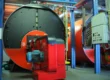
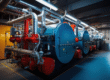
The boiler powers a hydronic heating system. It heats water with fuel sources like natural gas, propane, oil, or electricity. Modern boilers run efficiently while maintaining safe, steady temperatures.
Circulation Pump
The circulation pump moves heated water from the boiler throughout the piping system. This movement allows warmth to reach radiators, baseboards, or radiant floors. Without the pump, hot water would not circulate effectively.
Pipes
Pipes carry hot water from the boiler to the heat emitters and return cooler water for reheating. They form a closed loop that keeps the system operating continuously. Manufacturers make these pipes from copper, steel, or specialized plastic materials.
Heat Emitters
Heat emitters move warmth from hot water into the surrounding space. Common options include radiators, baseboard heaters, and radiant floor tubing. They distribute heat evenly, keeping the building comfortable.
Thermostat
The thermostat monitors the indoor temperature of the space. When temperatures drop below the set level, the boiler begins heating. This control helps maintain comfort while improving energy efficiency.
How a Hydronic Boiler System Works: Step-by-Step
Let’s walk through the heating process step by step.
Step 1: The Thermostat Detects a Temperature Drop
When indoor temperatures fall below the thermostat setting, the heating system is activated. The thermostat sends a signal to the boiler indicating that heat is needed. It begins the heating cycle.
Step 2: The Boiler Heats the Water
The boiler heats water to a set temperature. Hydronic boilers keep the water as a liquid instead of creating steam. This method improves efficiency and increases system safety.
Step 3: Hot Water Is Circulated
The circulation pump moves heated water through the system’s piping. Hot water flows to radiators, baseboard heaters, or radiant floor tubing. Circulation ensures heat reaches all designated areas.
Step 4: Heat Is Released
As hot water flows through the heat emitters, warmth transfers into the surrounding space. The room temperature gradually increases as heat is released. This process provides even, comfortable heating.
Step 5: Water Returns to the Boiler
After releasing its heat, water cools and returns to the boiler. The boiler reheats it to maintain the set temperature. The cycle repeats until the thermostat reaches the desired level.
Types of Hydronic Heating Systems
Hydronic boiler systems pair with different heat delivery methods based on building design and comfort needs.
Radiator Systems
Radiator systems rank among the most common hydronic heating types. They release heat into the air and onto nearby surfaces, warming the room evenly. The method keeps indoor spaces comfortable and inviting.
Baseboard Heating
Baseboard heaters are installed along walls and provide steady, gentle warmth. Hot water flows through the units, heating the air as it rises. This type of system is especially popular in residential homes.
Radiant Floor Heating
Radiant floor heating moves warm water through tubing beneath the floor. Heat rises evenly from the ground, removing cold spots. The system keeps floors warm and comfortable underfoot.
Each option offers unique benefits, but all rely on the same hydronic principle.
How Hydronic Boilers Differ from Forced-Air Systems
Many homeowners compare hydronic heating to forced-air systems.
Hydronic systems:
- Use water instead of air.
- Provide more even heat.
- Operate quietly.
- Do not circulate dust or allergens.
Forced-air systems:
- Use ducts to move heated air.
- Can create drafts
- May distribute dust and allergens
- Heat spaces more quickly but less evenly
People seeking comfort and improved air quality often prefer hydronic systems.
Energy Efficiency of Hydronic Boiler Systems
Hydronic heating is well known for its energy efficiency and reliable performance. Because water holds heat better than air, the system requires less energy to maintain comfortable indoor temperatures. It allows homes and buildings to stay warm using less fuel.
Modern hydronic boilers feature advanced efficiency technology. It lowers fuel use while maintaining consistent heat. Improved design makes hydronic systems practical and economical.
Over time, this efficiency can lead to lower energy bills. The savings are especially noticeable in colder climates where heating systems run more frequently. Reduced energy use also supports long-term cost control.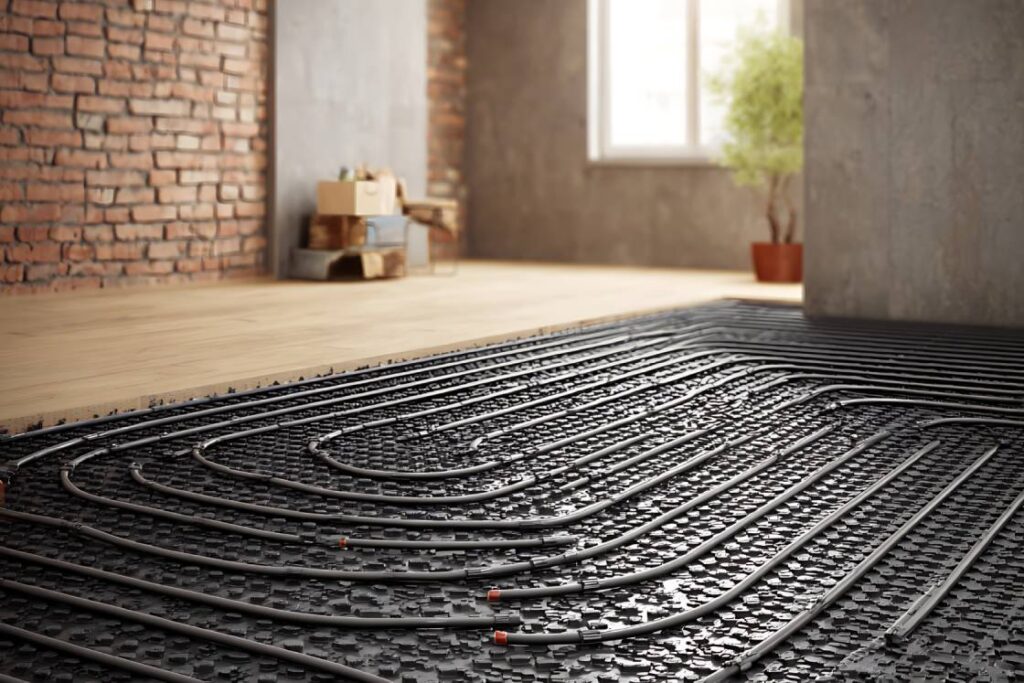
Comfort Benefits of Hydronic Heating
Comfort is one of the most significant advantages of hydronic boiler systems.
These systems provide:
Even heat distribution
Hydronic heating delivers warmth evenly throughout a space. Heat is evenly distributed, with no hot or cold spots, creating a more comfortable indoor environment.
Fewer temperature fluctuations
Hydronic systems maintain a steady temperature once they reach the desired level. They produce fewer sudden changes than other heating methods. The consistent heat enhances overall comfort.
No cold drafts
Hydronic systems do not rely on blowing air to distribute heat. As a result, there are no cold drafts or bursts of air. Rooms feel naturally warm and comfortable.
Quiet operation
Hydronic heating systems run quietly in the background. They produce no loud fans or air movement sounds, making them ideal for bedrooms, offices, and living areas.
Because heat radiates gently, rooms feel warmer without overheating the air.
Longevity and Durability
Hydronic boiler systems deliver long-term reliability and performance. Manufacturers build the materials and components to withstand years of regular use. Their durability distinguishes hydronic systems from many other heating options.
With proper maintenance, boilers and piping can operate efficiently for decades. Routine service helps prevent wear and identify small issues early. This longevity makes hydronic heating a smart long-term investment for homeowners and property owners.
Maintenance Requirements for Hydronic Boiler Systems
While hydronic systems are durable, regular maintenance is essential.
Routine maintenance typically includes:
- Inspecting the boiler
- Checking pressure levels
- Ensuring pumps and valves are working properly.
- Flushing the system if needed
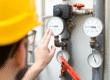
Professional inspections help maintain efficiency and prevent unexpected breakdowns.
Zoning and Temperature Control
One of the key strengths of hydronic heating systems is their zoning capability. Zoning lets you control different areas of a building separately. It increases your flexibility in delivering heat throughout the space.
With zoning, rooms that are not in use do not need to be heated. It helps reduce energy consumption and operating costs. At the same time, occupied areas remain comfortable and evenly heated.
Signs Your Hydronic Boiler System May Need Service
Common warning signs include:
Uneven heating
Some rooms may feel warmer than others, while certain areas remain cold, which can indicate circulation problems or air trapped in the system. Uneven heating often signals that the system needs attention.
Unusual noises
Banging, gurgling, or whistling sounds are not normal for hydronic systems. Trapped air, pressure issues, or component wear may cause these noises. Addressing the sounds early can prevent further damage.
Rising energy bills
A sudden rise in heating costs may signal lower system efficiency. The boiler works harder to maintain the temperature. It often indicates maintenance or performance problems.
Leaks or pressure issues
Visible leaks or fluctuating pressure levels are signs of potential system problems. These issues can affect performance and lead to damage if ignored. Prompt inspection helps prevent more serious repairs.
Addressing these early helps avoid costly repairs.
Why Professional Installation Matters
Trained professionals should always install hydronic boiler systems.
Proper installation ensures:
- Safe operation
- Correct sizing
- Efficient performance
- Long-term reliability
Professional expertise significantly improves system performance.
Why Homeowners Choose Hydronic Boiler Systems
Many homeowners choose hydronic boiler systems because they offer an excellent balance of comfort, efficiency, and durability. These systems provide steady, even heat without the noise commonly associated with forced-air systems. It creates a more comfortable living environment.
Hydronic heating works well in colder climates where consistent warmth is essential. The system provides steady heat without drafts or sudden temperature changes. It makes cold weather easier to manage.
Over time, the efficiency of hydronic heating can lead to noticeable energy savings. Lower operating costs help offset the initial investment. Together, comfort and savings add lasting value to the home.
Conclusion
Hydronic boiler systems heat water and circulate it through pipes to deliver gentle, even warmth throughout a building. While the technology may seem complex, the principle is simple and effective.
Hydronic systems provide comfort, energy efficiency, quiet operation, and long-term reliability. Homeowners and property owners seeking a dependable heating solution often choose hydronic boiler systems.
Understanding how do hydronic boiler systems work helps you make informed decisions about heating your space—now and for years to come.
Ready to Upgrade Your Home Heating with Patriot Boiler?
If you’re considering a hydronic boiler system or need expert service for your existing setup, Patriot Boiler is here to help. Our experienced team provides trusted guidance, quality workmanship, and reliable solutions designed for long-term comfort and efficiency.
Contact Patriot Boiler today to schedule a consultation or service appointment. Let our experts help you enjoy dependable, efficient heating you can rely on.
📞 Call us: 480-797-9349
🌐 Visit: Patriot Boiler