Boilers are essential for heating, hot water, and industrial processes, but they operate under intense pressure and high temperatures, which are common causes boiler failures. When a boiler fails, the consequences range from costly downtime to severe safety hazards. Understanding the root causes of boiler failures—and how to prevent them—is crucial for homeowners, facility managers, and plant operators alike.
This guide covers the most common causes of boiler failures, early warning signs, and proven prevention strategies to improve performance and promote safety.
Common Causes of Boiler Failures
Poor Water Quality
Water impurities, such as minerals, oxygen, and dissolved solids, can cause scale, corrosion, and sludge buildup.
Effects of poor water quality:
- Reduced heat transfer efficiency
- Overheating of metal surfaces
- Tube failures and fractures
- Premature wear and expensive repairs
Typical water-related issues include:
- Scale formation (from calcium and magnesium)
- Alkalinity corrosion
- Silica buildup
Lack of Regular Maintenance
Boilers need steady inspection and tuning. When you ignore maintenance, small issues grow into major failures.
Common problems from missed maintenance:
- Damaged safety valves
- Ignition failure
- Burner malfunction
- Pressure irregularities
Routine maintenance ensures components stay clean, calibrated, and fully functional.
Corrosion
Corrosion is one of the leading causes of boiler degradation and failure.
Types of corrosion include:
- Oxygen corrosion: Caused by dissolved oxygen in feedwater
- Acidic corrosion: Due to low pH levels
- Galvanic corrosion: Occurs between dissimilar metals
Impact: Weakened boiler components, leaks, and eventual system breakdown.
Overheating and Thermal Stress
When the boiler can’t dissipate heat properly, often due to scale or sludge, metal components overheat and crack.
Key reasons for overheating:
- Low water flow
- Blocked tubes
- Poor heat transfer
- Inadequate cooling
Thermal shock happens when cold water suddenly enters a hot boiler, causing metal to fracture.
Pressure Problems
Incorrect boiler pressure is a significant operational risk.
Too high? – Risk of explosions or safety valve activation.
Too low? – Inefficient heating and system strain.
Pressure irregularities are typically caused by:
- Faulty pressure relief valves
- Blocked piping
- Malfunctioning controls
Fuel or Combustion Issues
Incomplete combustion or fuel system malfunctions reduce efficiency and cause carbon buildup, soot, and heat imbalance.
Causes include:
- Dirty burners
- Improper air-fuel ratio
- Poor ventilation
Over time, these issues contribute to overheating and mechanical failure.
Operator Error
Human error remains a top contributor to boiler failures.
Examples:
- Incorrect startup and shutdown procedures
- Misreading gauges
- Ignoring warning signs
- Overriding safety controls
Proper training is essential to safe boiler operation.
Signs Your Boiler May Be Failing
Watch for these early warning signs:
Strange noises (banging, whistling, popping)
Unusual boiler noises often indicate trapped air, mineral buildup, or failing internal components. If ignored, these sounds can escalate into serious mechanical issues or complete system failure.
Uneven heating or slow heat-up time
When a boiler takes longer than usual to heat, it usually signals circulation problems or scaling in the system. It lowers performance, increases wear, and cuts overall efficiency.
Rising energy bills
A sudden rise in energy costs usually signals a boiler working harder than necessary due to inefficiency or hidden mechanical faults. Fixing the root cause early prevents extra strain and unnecessary expenses.
Discolored water or sludge
Rust-colored water or visible sludge indicates corrosion, sediment buildup, or poor water treatment. These contaminants reduce heat transfer, accelerate component deterioration, and can lead to costly failures.
Frequent pressure drops
If the boiler pressure keeps dropping, leaks, faulty valves, or failing expansion vessels are often to blame. Ongoing pressure loss destabilizes the system and raises the risk of breakdowns.
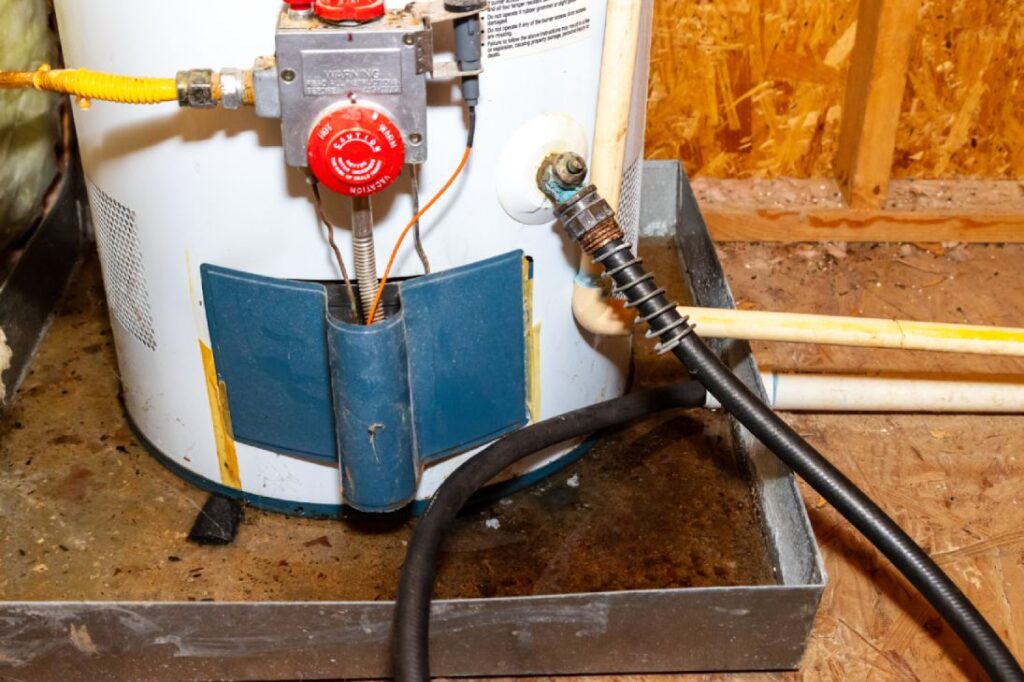
Leaks around valves or pipes
Moisture or dripping around boiler valves or piping signals seal failure, corrosion, or pressure imbalance. Small leaks can quickly turn into serious safety hazards and structural damage.
How to Prevent What Causes Boiler Failures
Implement a Strict Maintenance Schedule
Annual or semi-annual inspections ensure all components operate correctly.
Maintenance should include:
- Safety valve testing
- Boiler cleaning
- Burner calibration
- Control panel inspection
- Leak assessments
Maintain Water Quality
A proper water treatment program is essential to prevent scaling and corrosion.
Key steps:
- Use water softeners and deaerators
- Monitor pH and oxygen levels
- Regularly test feedwater quality
- Install filtration systems
It improves efficiency and extends the boiler’s lifespan.
Monitor Pressure and Temperature
Monitoring boiler pressure and temperature keeps the operation safe and efficient. Real-time monitoring systems let operators spot abnormal conditions quickly and act before problems grow. Automated controls trigger alerts or shut down the system to prevent dangerous pressure buildup and protect key components.
Train Operators Thoroughly
Well-trained staff reduces the risk of errors and ensures immediate action when problems arise.
Training should cover:
- Startup/shutdown procedures
- Emergency protocols
- Gauge and control interpretation
- Routine system checks
Schedule Regular Professional Inspections
Scheduling regular professional inspections ensures certified technicians evaluate your boiler. They use specialized tools and expertise that your internal teams do not possess. Experts catch early-stage problems that routine in-house checks often miss. Annual inspections reveal hidden issues before they turn into costly repairs or operational downtime.
Conclusion
You prevent boiler failures by prioritizing proper water treatment, consistent maintenance, and trained operation. By understanding the main causes—such as corrosion, scale buildup, and pressure issues—you can take proactive steps to extend your boiler’s lifespan and keep your operation running safely and efficiently.
Ready to protect your facility from boiler failures causes?
Contact Patriot Boiler today for expert inspections, maintenance, and 24/7 emergency service you can rely on. Call now to schedule your service.
 Call us: 480-797-9349
 Visit: Patriot Boiler