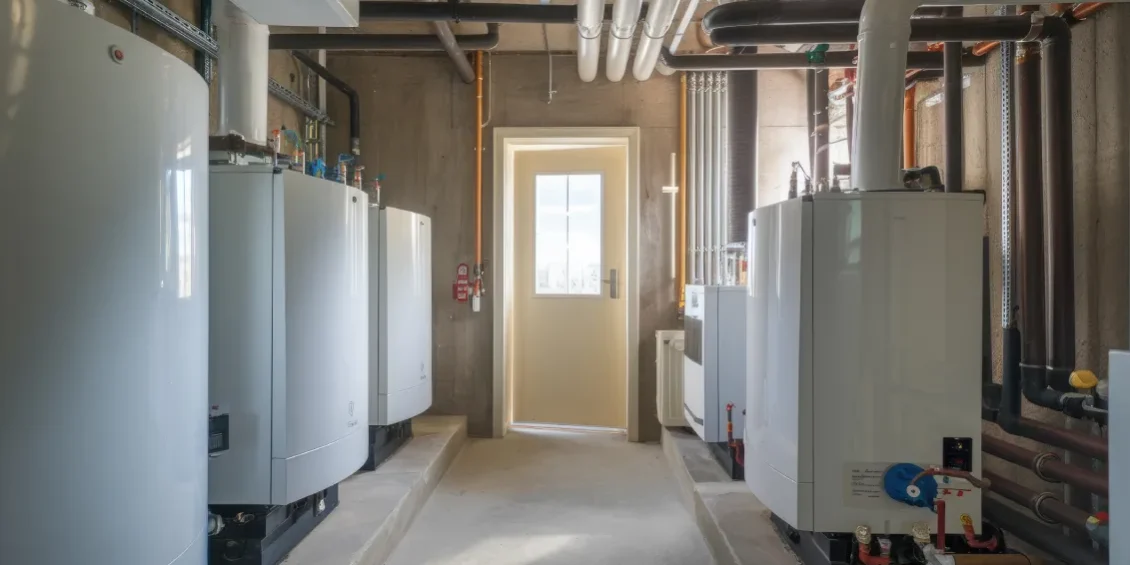
Arizona facility managers face a tough challenge. Extreme heat, hard water, and rising utility costs wear out boiler systems fast. These factors also drive up operating expenses every year. Today, commercial boiler efficiency upgrades is more than an energy goal. It is a financial and operational must for hotels, hospitals, schools, industrial facilities, and multi-tenant buildings. If your system is old or underperforming, start by learning your upgrade options. That is the first step to real, measurable savings.
Why Boiler Efficiency Matters More in Arizona
Arizona’s hard water poses a significant threat to commercial boiler efficiency. Limescale deposits on heat exchangers create an insulating barrier, requiring burners to work harder for the same output. Even a thin layer of scale can reduce thermal efficiency by 10 to 15 percent, increasing fuel consumption without obvious warning signs.
Arizona’s climate places greater demands on boiler systems than in most states. Many facilities operate radiant floor heating, hot water, laundry, or kitchens year-round, resulting in near-constant boiler loads. Older equipment operating at 75 to 80 percent efficiency wastes fuel, while modern condensing systems achieve 92 to 97 percent efficiency and deliver substantial savings.
Key Efficiency Upgrade Options for Arizona Facilities
High-Efficiency Condensing Boiler Replacement
Condensing boilers provide the greatest efficiency improvement for Arizona facilities. While conventional boilers vent hot flue gases at 120 to 200 degrees Celsius, condensing units recover heat by cooling these gases below the dew point and using this energy to preheat incoming water. Modern condensing boilers achieve 92 to 97 percent efficiency, compared to 75 to 86 percent for older non-condensing models.
This efficiency improvement reduces fuel consumption immediately. Facilities upgrading from atmospheric boilers to condensing units typically save 20 to 30 percent on energy in the first year. For large Arizona sites with high gas usage, these savings often result in a rapid return on investment.
Key considerations for Arizona condensing boiler installations include:
- Return water temperature must remain below 130 degrees Fahrenheit for effective condensing operation. Facilities with older systems may need to upgrade distribution components when replacing the boiler.
- Condensing units require corrosion-resistant heat exchangers due to the acidity of condensate. Stainless steel and aluminum alloy exchangers offer greater durability in Arizona’s hard water conditions.
- Venting requirements for condensing boilers differ from those of non-condensing systems. PVC or polypropylene flues replace traditional metal stacks, and retrofitting may require modifications to vent routing.
Modulating Burner Controls and Variable Firing Rates
Most commercial boilers operate at full capacity or shut off entirely, cycling on and off to maintain set temperatures. This process wastes energy and accelerates wear on ignition parts, heat exchangers, and control systems. Modulating burner controls address this issue by adjusting the firing rate to match actual demand. Leading systems offer turndown ratios of 5:1 or higher.
Arizona facilities with variable loads, such as hotels, schools, and offices, benefit from modulating controls. These controls can increase efficiency by 10 to 15 percent without requiring boiler hardware replacement. They also extend equipment lifespan by reducing thermal stress from frequent high-temperature cycling.
Burner Management and Combustion Controls
Arizona facilities that operate boilers year-round lose significant fuel to combustion inefficiency, often without visible warning signs. Burner management and combustion control systems correct this by precisely regulating fuel-to-air ratios and firing rates to match actual demand.
- Fuel-to-air ratio optimization ensures burners receive the correct mixture for complete combustion, preventing unburned fuel waste and reducing stack losses that silently drive up operating costs
- Modulating burner controls adjust firing rates to match actual facility demand rather than cycling on and off at full capacity, reducing thermal stress on heat exchangers and extending equipment lifespan
- Combustion efficiency testing establishes a performance baseline for each burner, identifying tuning gaps that cause fuel waste without triggering visible warning signs
- Flame safeguard and burner safety controls protect the boiler from unsafe operating conditions, shutting down the burner automatically when combustion parameters fall outside acceptable limits
 Condensate Recovery and Blowdown Heat Recapture
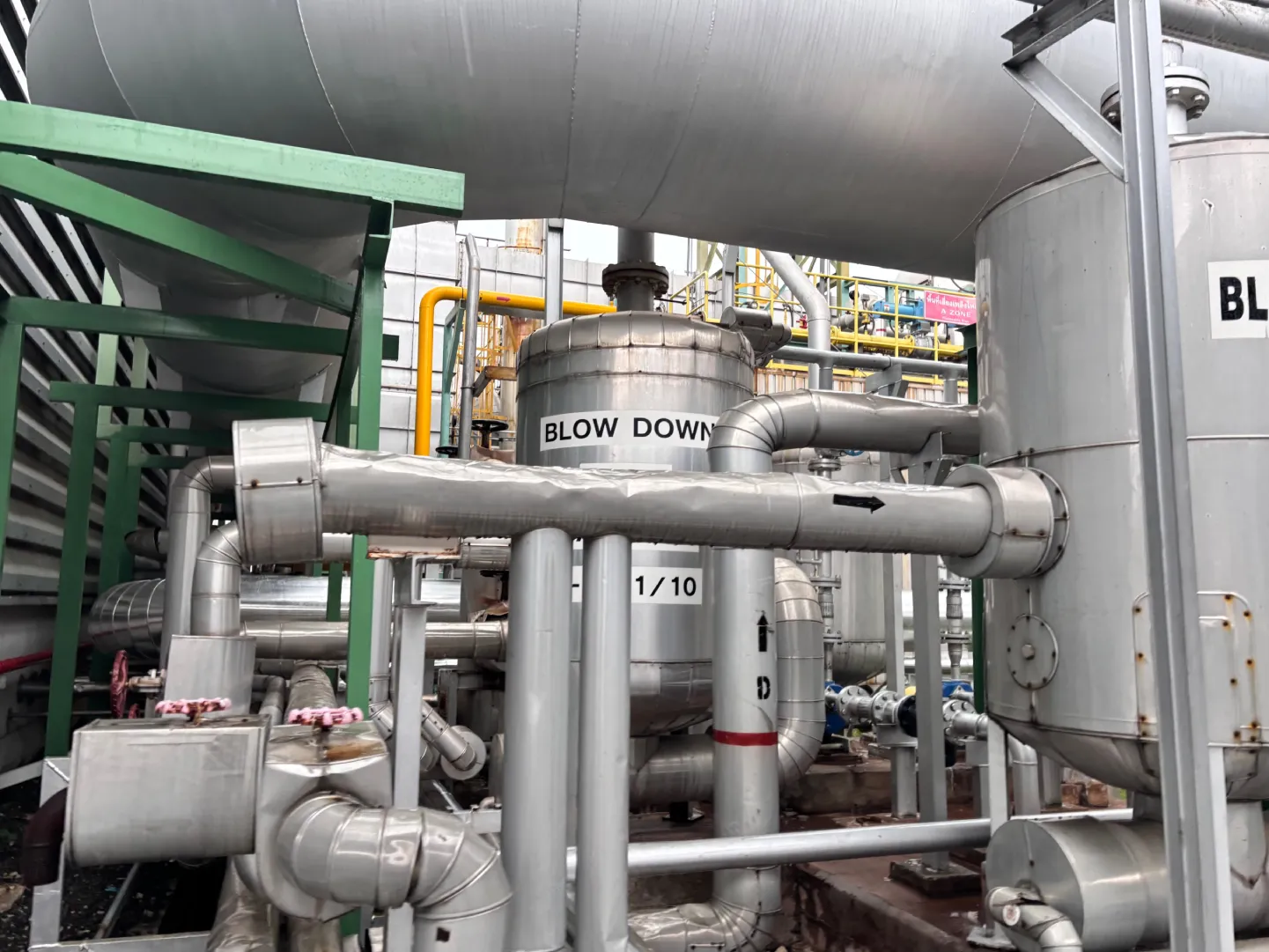
Steam boiler systems used in the Arizona industry, laundry, and food service can improve efficiency through condensate recovery. Returning hot condensate to the boiler conserves energy and reduces the need for chemical treatment. Installing blowdown heat exchangers captures waste heat before discharge. Combined, these upgrades can increase system efficiency by 5 to 10 percent with minimal capital investment.
Arizona Compliance and Incentive Considerations
Efficiency upgrades in Arizona must meet ADOSH boiler compliance requirements. Any boiler replacement or major change needs a permit and inspection. The new unit must be commissioned and inspected by an ADOSH-approved third party before use. Work with a contractor who has an R Stamp from the National Board of Boiler and Pressure Vessel Inspectors. This ensures all upgrades meet Arizona code from the start.
On the incentive side, Arizona facilities may qualify for:
- Federal Energy Investment Tax Credits (ITC) for qualifying energy-efficient equipment upgrades
- Utility rebate programs through APS and SRP for commercial customers investing in high-efficiency heating systems
- ENERGY STAR certification for condensing boilers meeting federal efficiency thresholds, which supports sustainability reporting and tenant attraction for commercial real estate